Lighting is one of the most powerful tools in photography with the power to transform a normally humdrum scene into something extraordinary, just by controlling how light interacts with a subject. By using different lighting techniques, photographs can shape a viewer’s mood and even convey or evoke emotion. From the use of natural sunlight to the contrast of artificial lighting, different lighting approaches create a distinct type of visual impact. The techniques photographers choose can dramatically alter a viewer’s perception, guiding the eye and shaping the story each image tells. Through a variety of lighting styles, photographers can tell beautiful stories. Below are photos I have taken using different types of lighting, each with the purpose of allowing the viewer to see beauty in what is usually considered ugly or mundane and evoking different emotions in the viewer.

Angled Night Lighting: This photograph was taken using a strategic angled light to emphasize the form and depth of the flowering weeds in my backyard, in the darkness of night. The light source (my flash on my Iphone), was positioned off to the side, casting shadows and highlights that create contrast and dimensionality. This technique allowed for illumination, revealing textures and details and drawing the viewer’s eyes to the foreground, while leaving the background scene in shadow. This technique created a sense of mystery. The angled lighting directed the viewer’s focus, bringing out the elements I wanted the viewer to focus on— the beauty to be found in weeds—while maintaining a balance of light and dark.

Twilight Lighting: This image captures the scene during the period between late afternoon and and night, where natural ambient light illuminates the surroundings. The fading daylight produces an almost cold, tone over the grass, path, and trees. The last hint of natural light before darkness, highlights the texture of the brick walkway and the ornamental grass in my backyard. The low-light conditions emphasize the calm atmosphere of the setting that leads to our basketball court. The lighting at this time of day allowed for me to focus on the compositional technique called “Leading Lines,” the curved walkway, and the differing patterns and textures in the lawn, ornamental grass, brick walkway, and the asphalt where the basketball court is, all while keeping the details intact without deep shadows.

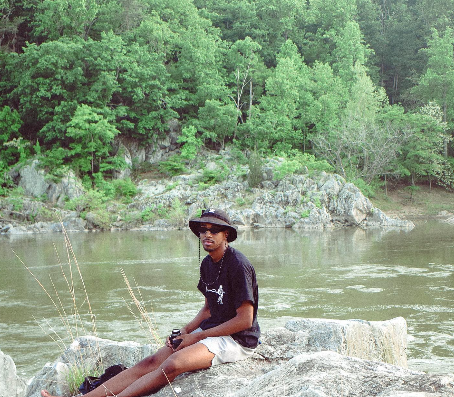
Natural Daylight: This photograph captures the Potomac River in the natural light of early afternoon at Great Falls Park, McLean, Virginia. The sun is positioned directly overhead, and highlights the details of the rocks, river banks, and the water. The natural, bright, overhead daylight hit the rocky formations on both sides of the Potomac River in a perfect way. The direct, overhead sunlight created a clean, crisp look, with the reflections on the water adding an eye-catching shimmer in the natural sunlight. The sky’s bright light complemented the scene and added to the tranquil feel of the photograph.

High-Contrast, Low-Key Lighting: In this photograph, I used a low-key lighting strategy to create a dramatic, high-contrast scene. The light sources were the two, 60-watt lamps in my bedroom. The photo was taken from a single direction (the back of the room). The lamps illuminated the white, closet doors and parts of the wall, while leaving the rest of the room in shadow. This created a dramatic juxtaposition between light and darkness, emphasizing the geometric shapes of the doors and the lines of the walls. The contrast between the illuminated surfaces and the shadows give the viewer a scene that is mysterious and possibly, frightening. Also, the contrast draws attention to the textures and contours of the elements within the frame. It was my hope that the lighting would evoke in the viewer, a sense of mystery and fear in regular, everyday, closet doors and what one might find in them.

No Lighting: This photograph of Arlington, Virginia was taken by me in Georgetown in the District of Columbia. There is no artificial lighting. I relied entirely on the lack of artificial lighting to create the mood and atmosphere of the scene. The scene is illuminated only by the street lights present. This source of lighting allowed for a pure, minimalist representation of the space. This approach enhanced the contrasts between the foreground and background, leaving the viewer with a scary, “Exorcist” type feeling, just weeks before Halloween. The absence of lighting allows the viewer to focus on the composition, lines, and forms, heightening the scene’s sense of Halloween terror.

Natural Ambient Lighting: My strategy in this photo was to focus on color theory and take a photo that demonstrated natural, complementary, color combinations. This photograph, taken from the rooftop of a townhome in Bethany Beach, Delaware, uses natural ambient lighting, with no artificial light sources, to create an atmosphere that is attractive, striking, and relaxing. I avoided direct lighting in order to create a sense of environmental harmony, allowing the viewer to focus on the foreground, midground, and background. This lighting strategy emphasizes the calm nature of the scene.



Leave a Reply